I’m in the north of the state of Karnataka now, Tamil Nadu and Kerala are distant memories. So is the urbane city of Bangalore, with its stop lights (people actually stop!), microbreweries, fine coffee houses (hard to find tea), public trash cans (no litter on the streets), and pulsing international life. I’ve often heard it said that each state in India is like a different country. That being the case, Bangalore is a different country within the state of Karnataka. Compared to the far north of Karnataka, it might be Switzerland.
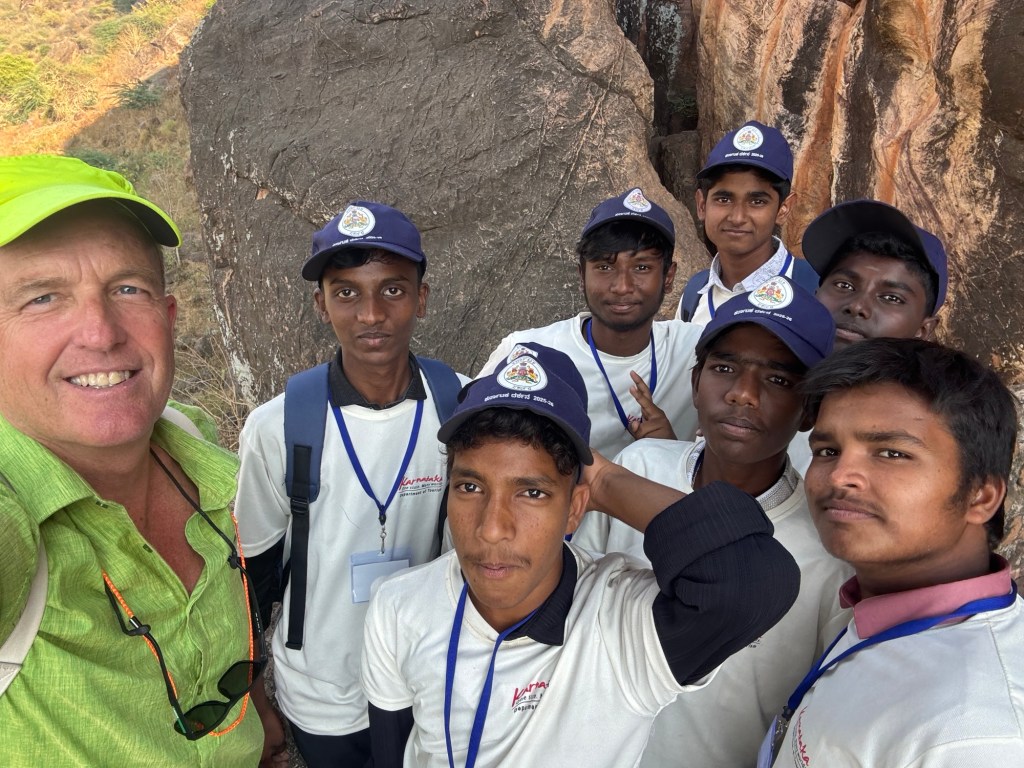
At this far end of the State, if you stop for lunch, stop to fix a flat tire, or stop to wipe your brow under the shade of a tree, there are quickly 5, then 10, then 25 locals, only men, that seem to appear from nowhere. They jostle to get in your face and demand attention, or push for answers to their urgent questions that come hard and fast. The fact you don’t speak the language does not give them pause. At this point, I know the questions by heart, and despite the language barrier, know exactly what they’re asking. “Where are you from? Is the bike from America? How much does it cost?” And my favorite, “Just how old ARE you?” It’s all well meaning, and I can only assume they have no idea how threatening and aggressive this line of confrontational questioning feels to the recipient. It’s a “Lord of the Flies” moment, and when they first approach in a rush and lather, I fear the “confrontation” might not go as planned. This is especially true when the assembled mob starts to grab the tools out of your hands (to help…), or begins pressing all the buttons on your bike. This scenario eventually hits a “hard stop” when they invariably press the airhorn, scaring the shit out of all assembled. Of course, then they’re laughing and pointing at the villain who pressed the button. I make my, “don’t wake the sleeping bear” face and the moment is reset, I’m back in charge. But it all takes a lot of energy.
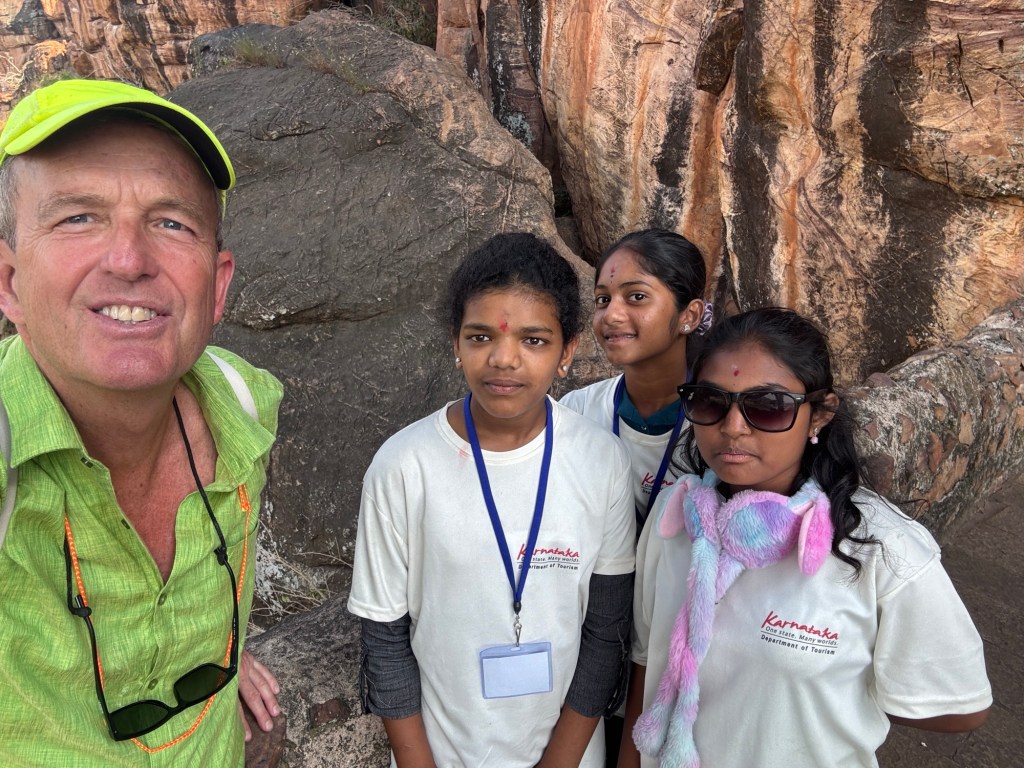
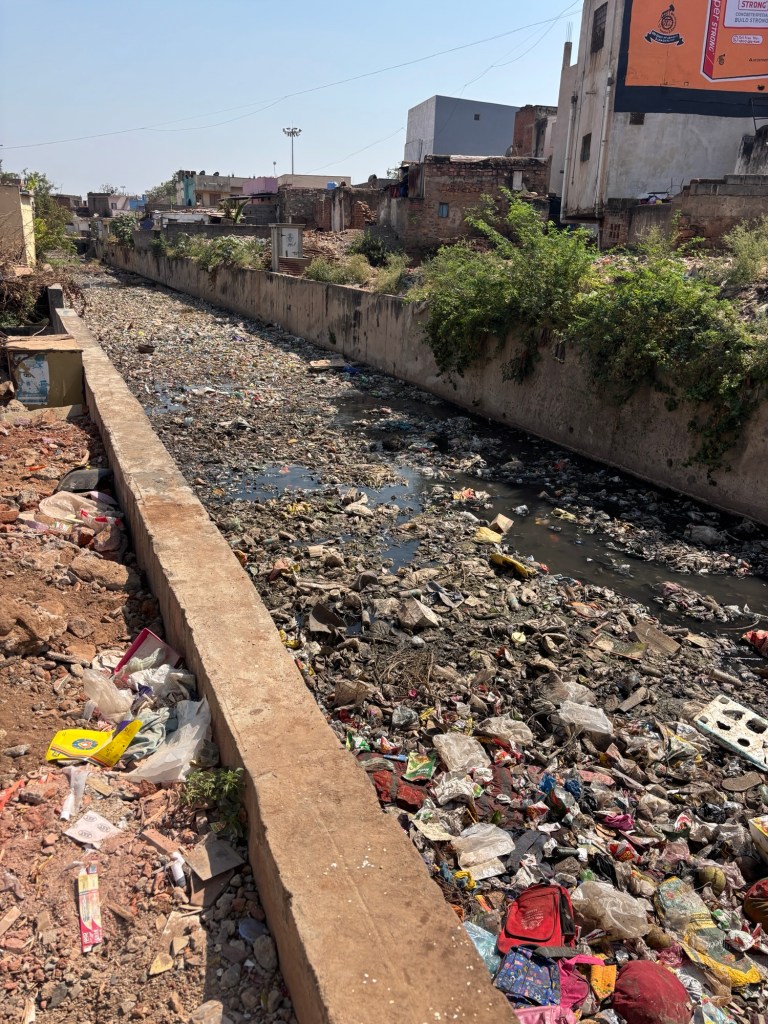
This part of India is radically poorer than the southern states. Most of the population are dirt farmers. Many don’t have homes as we might define them, rather there are makeshift permanent tents under a tree. It looks a bit like what might happen if the Burning Man festival failed to enforce the exit, humans hanging on in the bleaching sunlight, the objects of use slowly degrading around them. These citizens have never seen a foreigner. The absolute shock on their faces tells all. They often shout at me, as if I were an errant cow or goat, and look doubly shocked when I respond. Only then do I see them soften and think, “Oh, it’s human.”
As seen in almost all of India, the cultivation of agriculture remains the center of human activity. Slowly cycling through this unending landscape, the shear magnitude of the human effort is staggering. Although the tractor and primitive thresher have arrived in earnest, large swaths of the landscape remain cultivated entirely by hand. The work is clearly difficult and unending.
Central to this Herculean agricultural effort is the management and manipulation of water. India’s water infrastructure is deep. Virtually every source has been managed, manipulated, squeezed, and extracted to the last drop. The balance seems precarious. I ride past rice patties in the scorching sun, water evaporating faster than it can be added. Much of this water seems pumped from the ground. With no oil or gas reserves, fuel costs are front and center to commodity pricing, let alone the even more pressing issue that the water table in India, like in America, is dropping much faster than it can be replenished. We are living on borrowed time.
Yet at least some of this crisis may be addressed with education. I learned from my UW GCIL students in Bangalore, that the water filter most middle class families are now installing in their homes as a matter of course, uses three liters of water to create one clean one. And virtually every hotel I’ve stayed in has used the “rain shower” water head in the shower, putting an absurd amount of water over my body in the simple act of washing. Bangalore’s water crisis is existential. Their lakes and reservoirs long empty. Yet, the beacon of economic prosperity continues to draw citizens from the entire country. Their population has exploded to 14 million, 1.5X that of New York, and they don’t have enough water to sustain their existing population today…
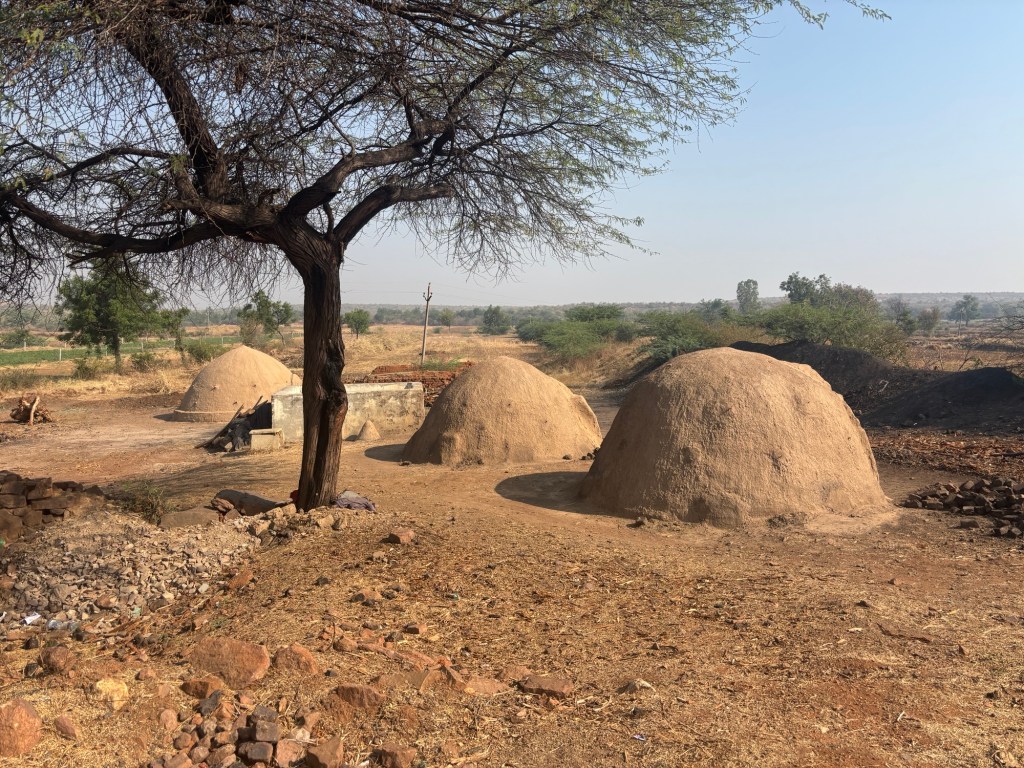
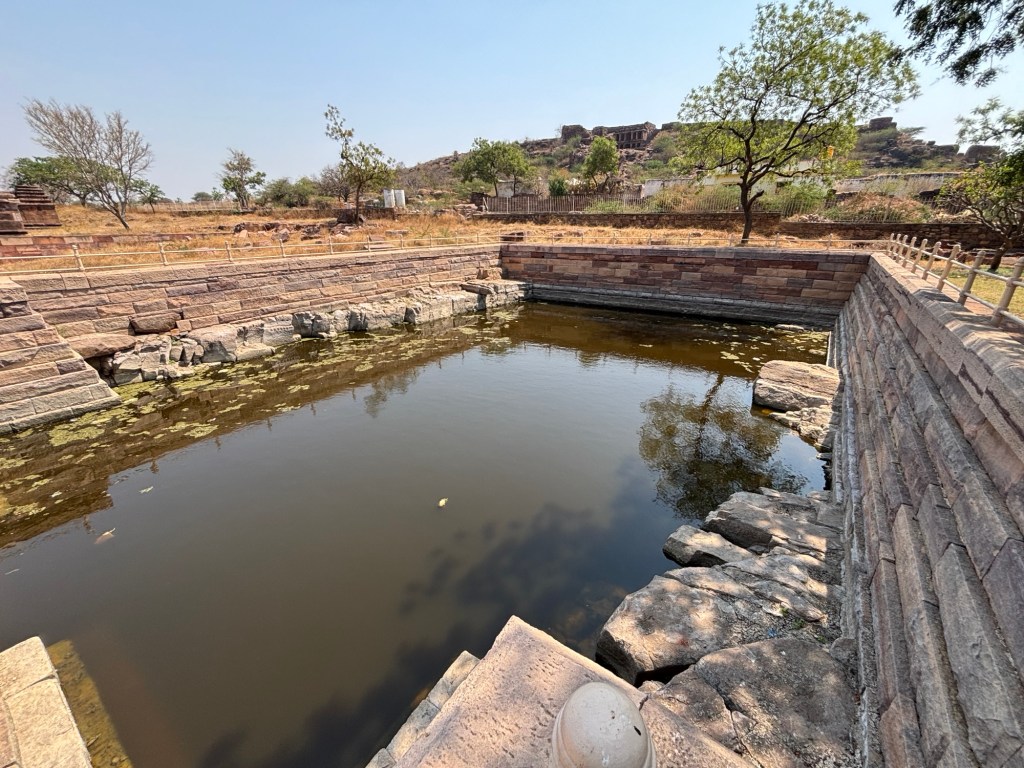
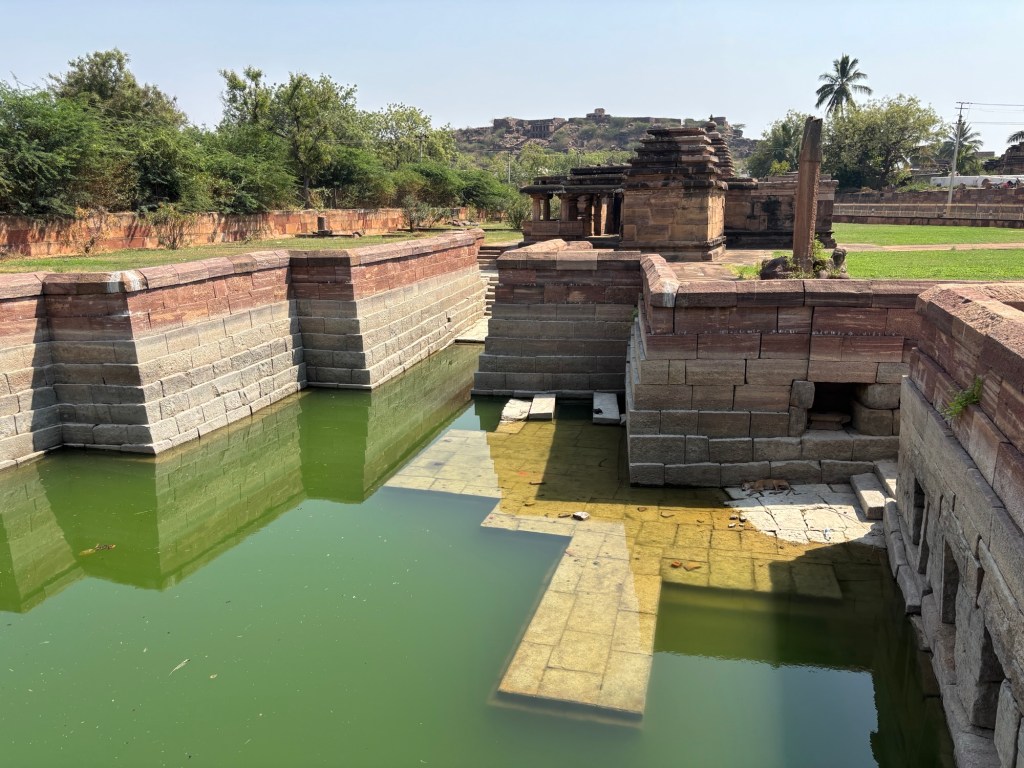
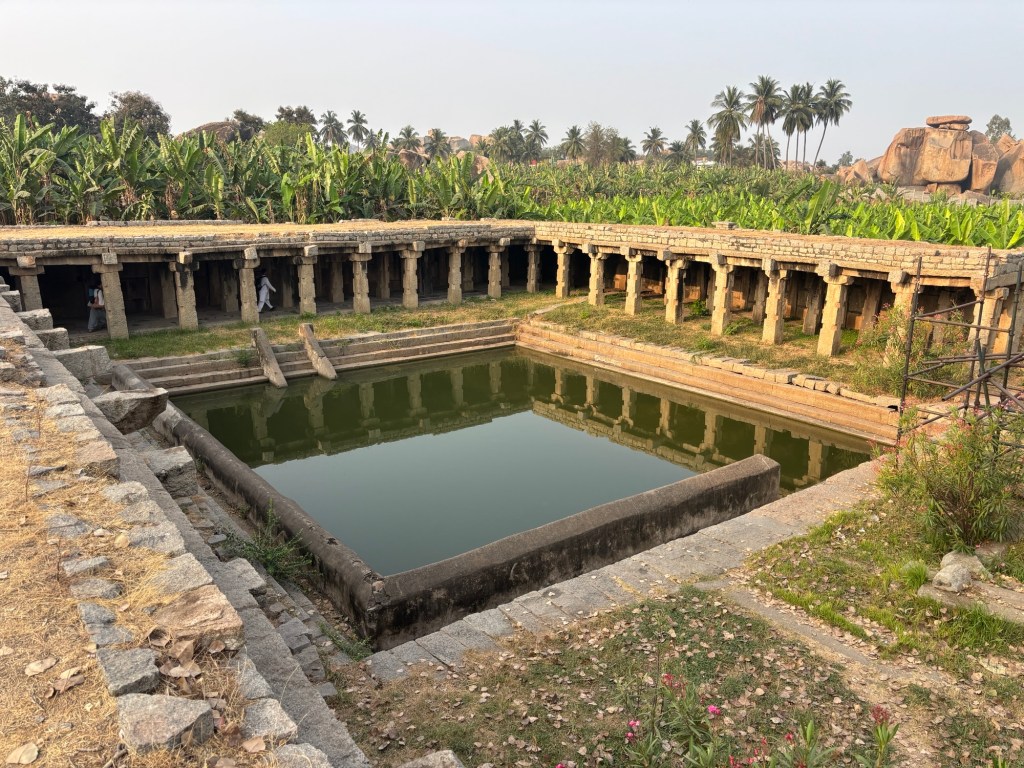
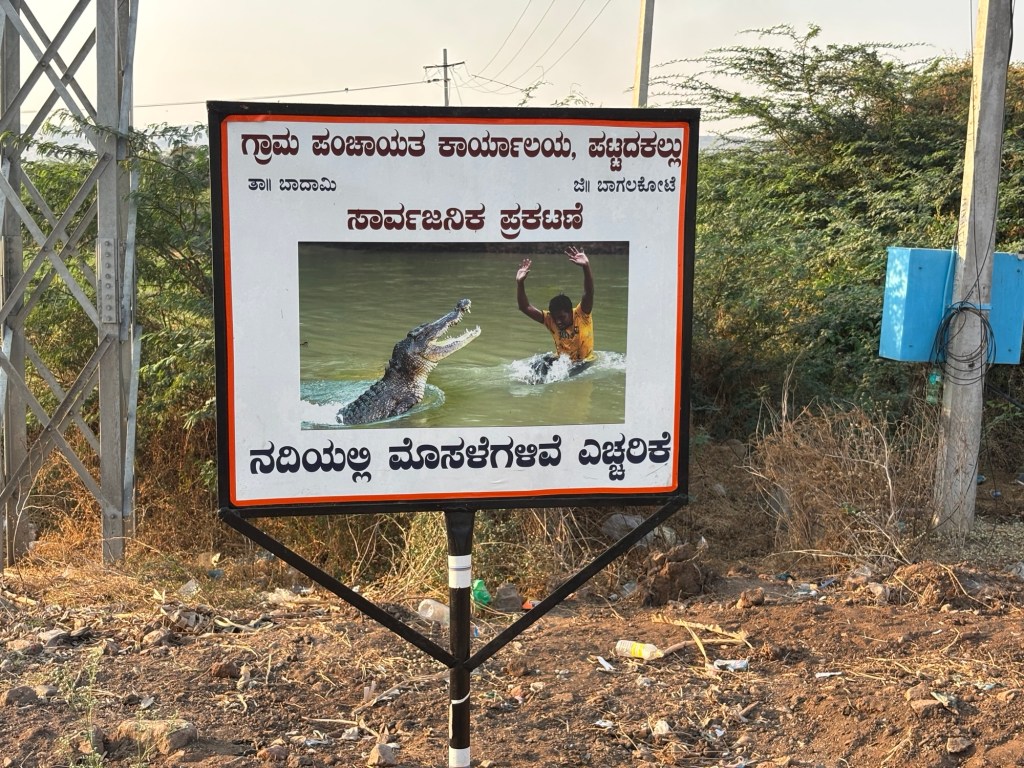
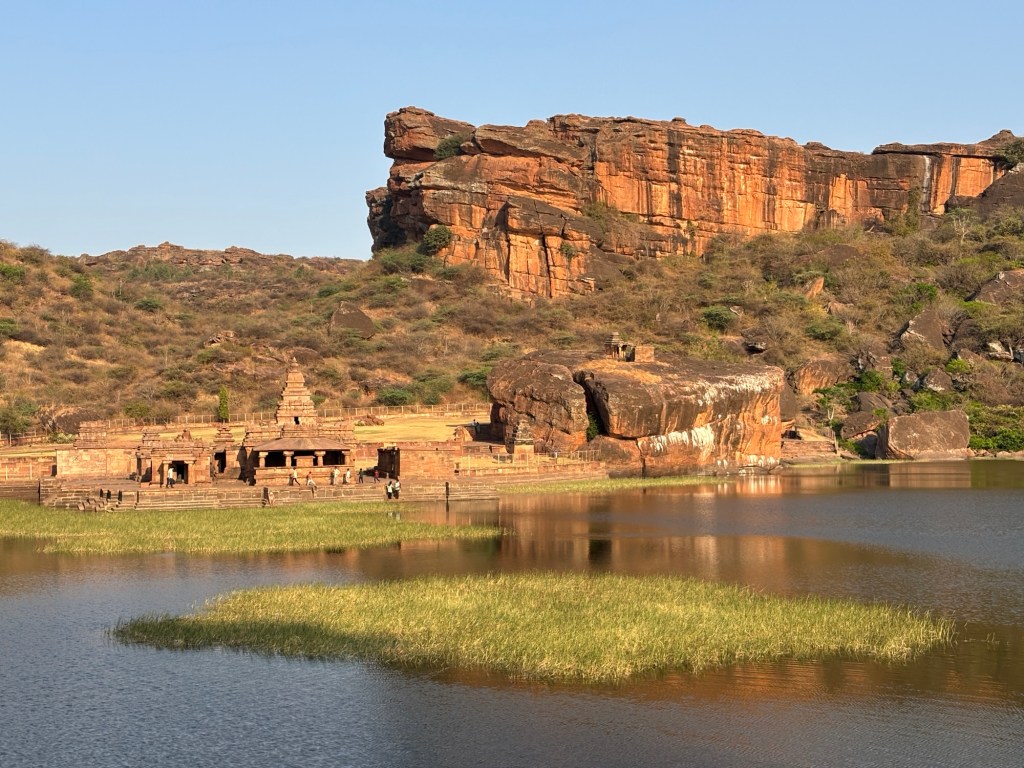
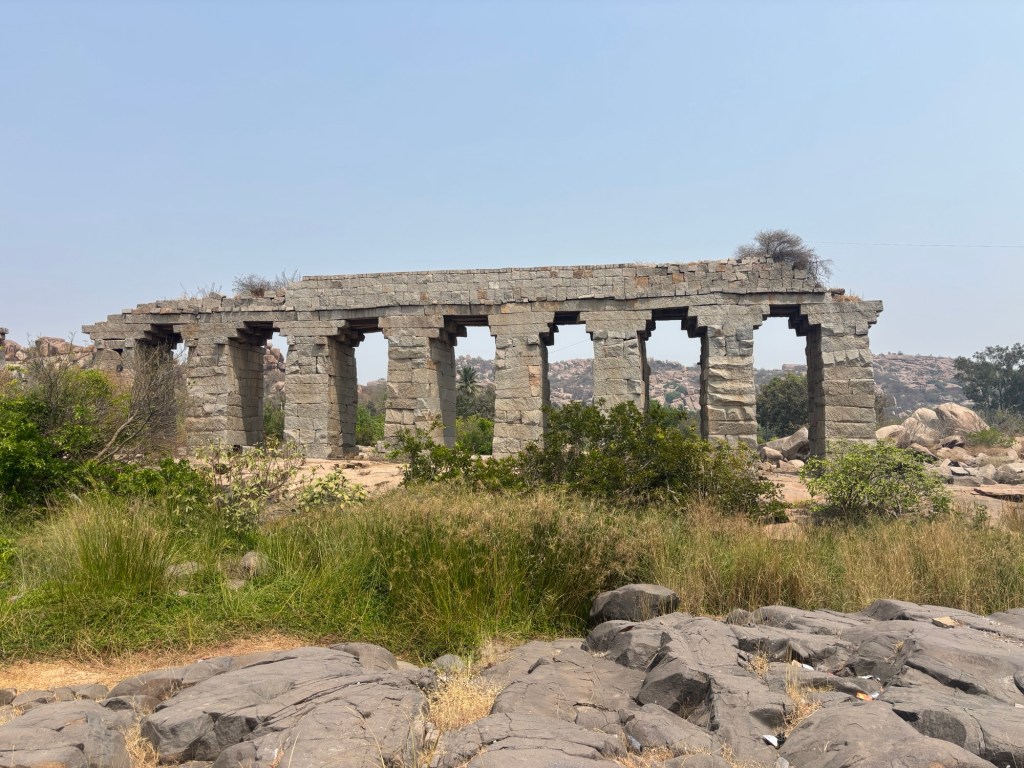
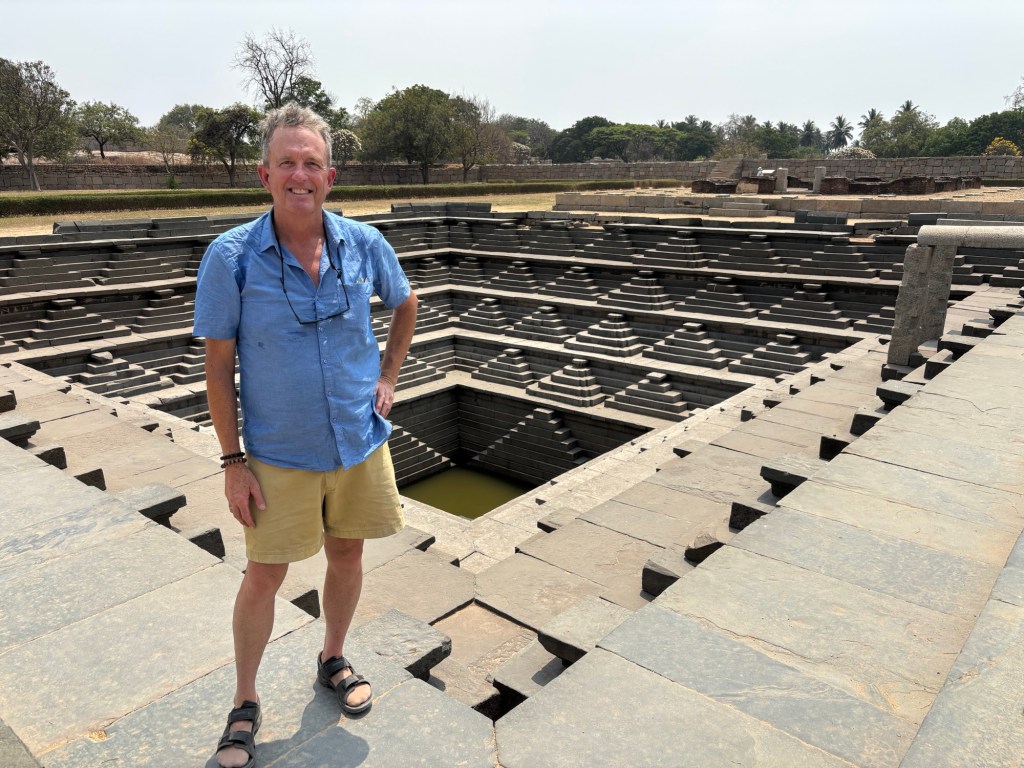
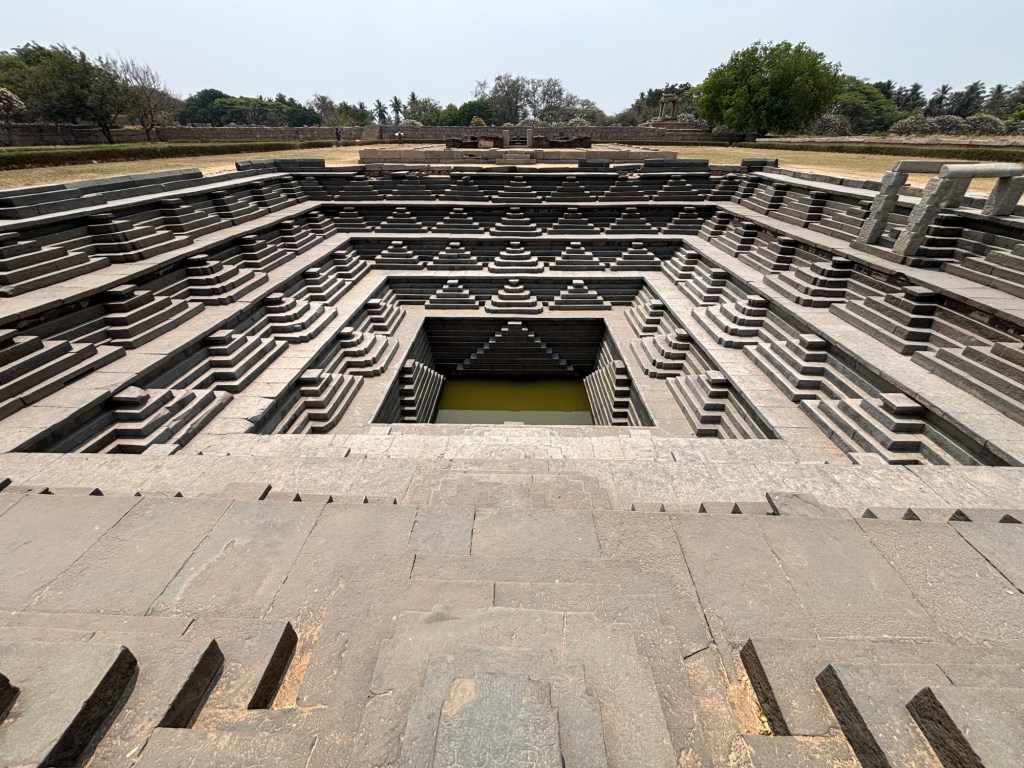
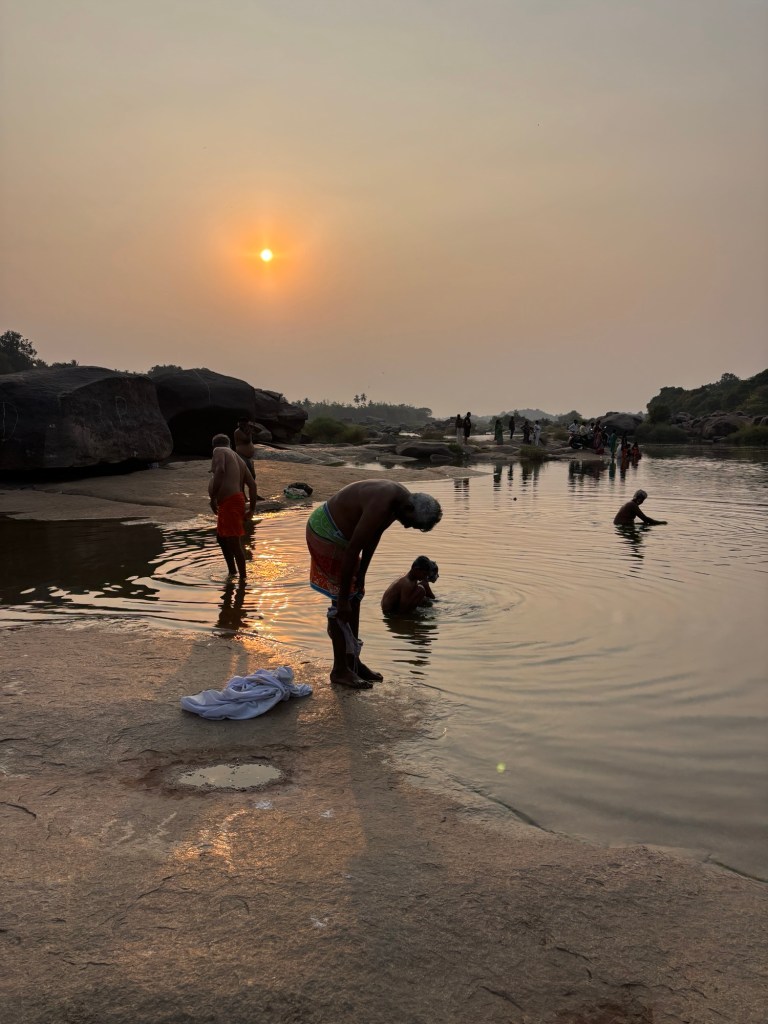
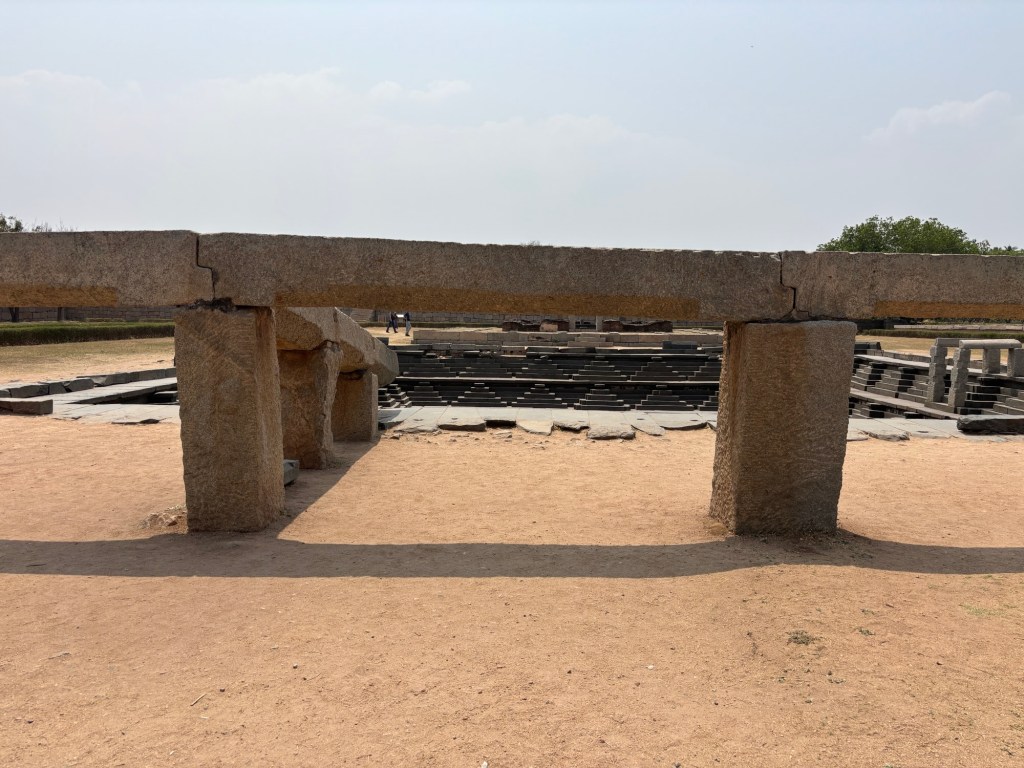
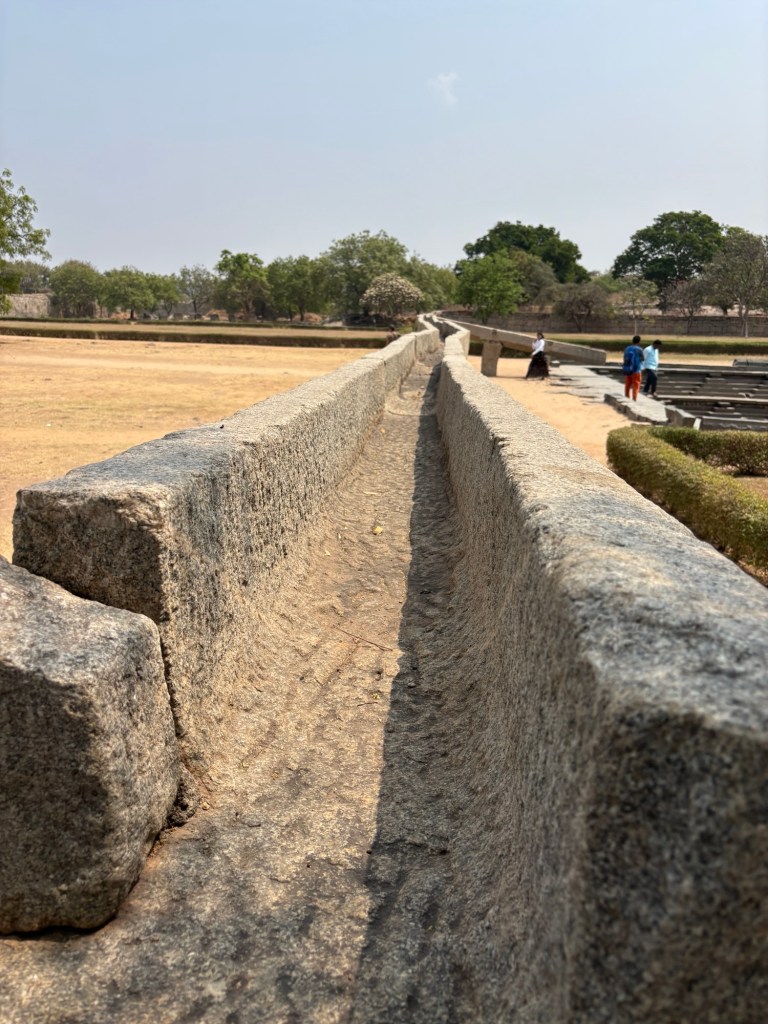
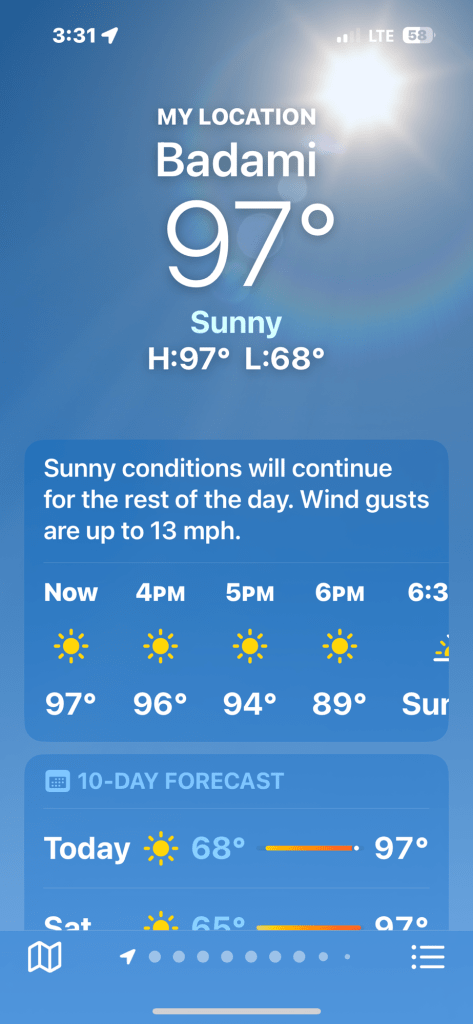
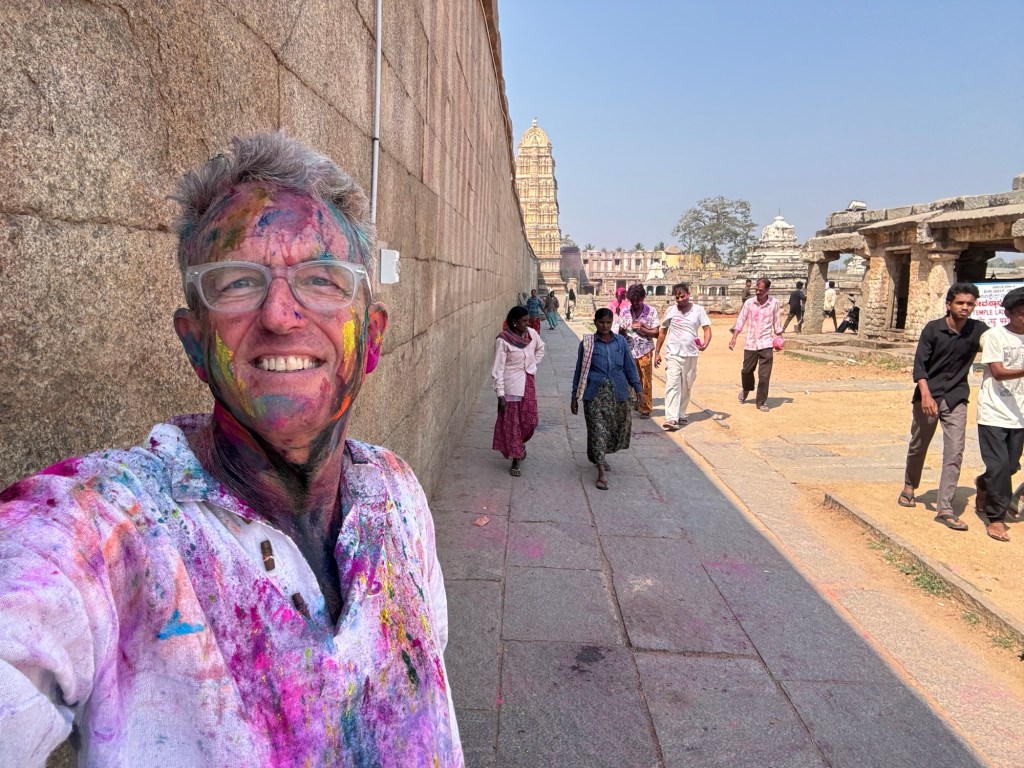
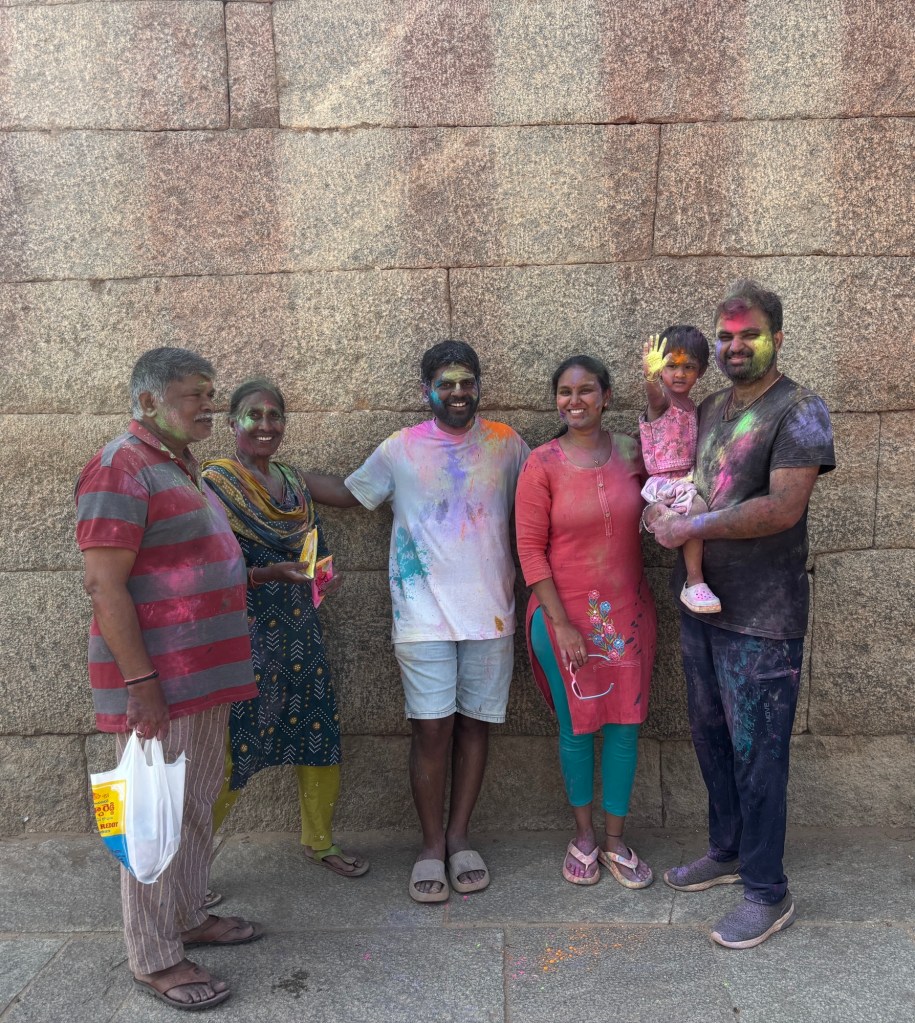
The reason water has been so much on my mind, becomes obvious in this heat I’m experiencing. Humans won’t survive without it. Water is the resource most critical to life and it’s clear we are not doing enough to protect this finite resource. Cycling in this heat, I’m drinking 4-5 liters of water a day. Then more at night. My life depends on it. The connection is clear and direct. Of course, this heat is also a function of the calendar. I realized, after a lifetime of visits to India, why I had never experienced the Holi festival. Much like Memorial Day, the festival serves as the unofficial start of summer and the unseasonably warm temperatures start in earnest. In point of fact, this year, as if on cue, the temperature hit 97 the week of Holi and it has not varied a single degree since. It’s top of mind, the top discussion topic everywhere I go. OK, perhaps it’s only the second topic, the first being India’s chance to clinch the Cricket World Cup (which they won soundly against New Zealand last night). Regardless,summer has arrived even earlier than usual and with greater intensity. Everyone here knows the climate is changing. Unlike in America, this is not “fake news.” They are living it every day.


Leave a Reply